I. The thesis
Clinical AI is medicine.
It should be governed like medicine.
Pathque is the fractional Chief AI Officer for health systems that cannot afford — or do not need — a full-time one.
II. The pattern
A problem the laboratory has seen before.
A new class of medical technology is being deployed at a pace the institutions using it cannot match. Most American hospitals do not have a Chief AI Officer. Most cannot justify hiring one. Most do not yet know that the company validating the AI they are about to turn on is the company selling it to them.
The clinical laboratory has solved a version of this problem before. For decades, labs have accepted instruments they did not build, from manufacturers whose validation they do not trust on face, and have run their own local quality control, their own local reference ranges, their own local proficiency testing. That discipline — slow, unglamorous, load-bearing — is the reason modern medicine is trustworthy at all.
Pathque exists to bring the same discipline to clinical AI, under the signature of a physician.
III. The service
A Chief AI Officer, part-time, under a physician's name.
We do not sell software. We do not ask you to replace your tools. We do not introduce a new committee to your organization. We take on the work a full-time Chief AI Officer would do — continuously, quietly — at a fraction of the cost of hiring one.
That work includes an inventory of the AI already in deployment across your institution, a local validation cadence for each tool, quarterly competency reviews for the clinicians using them, a reporting line into your existing quality apparatus, and one thing no vendor can provide: a named physician behind every attestation.
IV. Who leads it
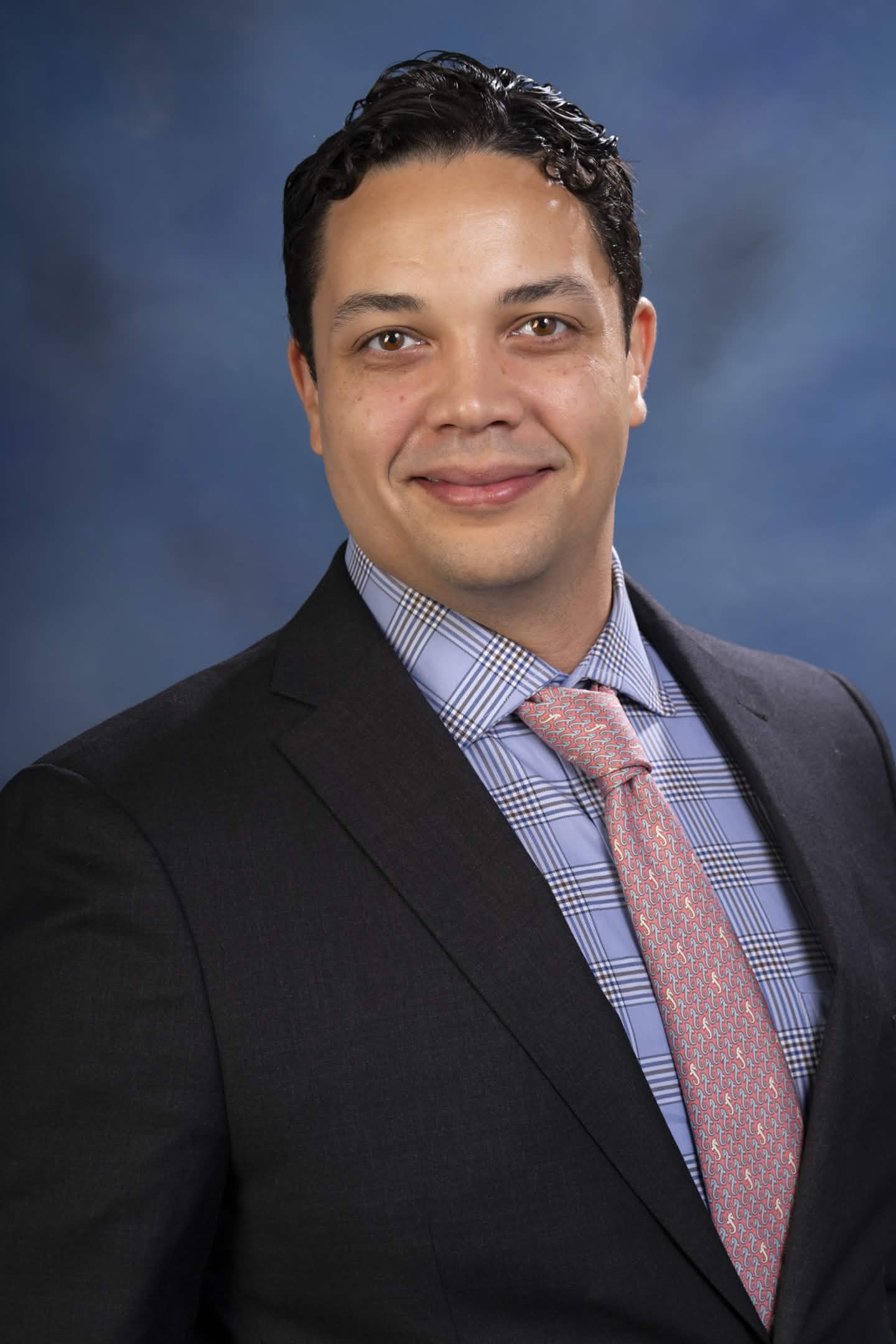
Pathque is led by a board-certified pathologist and physician-executive. The practice sits on two unusual foundations: the operational experience of running a clinical laboratory, and the strategic training of a business school that prepares physicians to lead health systems rather than leave them.
The firm's point of view is not neutral. It holds that clinical AI should be treated as a medical device, evaluated by the people who use it, and governed by a physician who can be held accountable by name. Everything else follows from that.
Start a conversation.
Engagements begin with a single scoping call. If there is a fit, we move to a defined engagement. If there is not, we say so plainly.
martin@pathque.com